

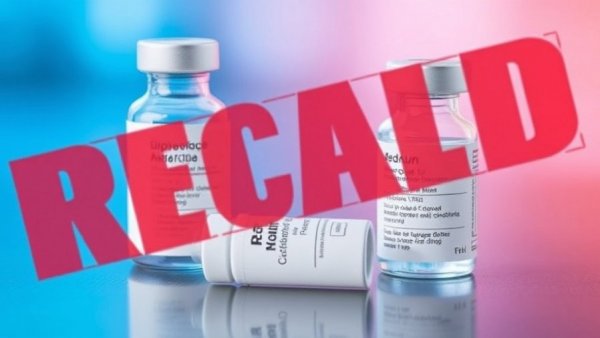
Understanding the Convenience Kit Recall
Medline Industries has issued a significant correction notice regarding its recent recall of convenience kits containing B. Braun Bupivacaine Hydrochloride components. This alert is particularly crucial for medical spa owners, operators, and managers who rely on the safety and effectiveness of injectables and medical devices in their practices.
What We Know About the Bupivacaine Hydrochloride Recall
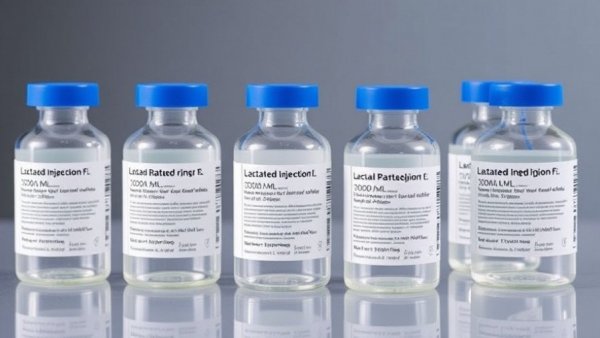
The FDA's notice outlines that specific lots of these convenience kits may contain defects affecting the quality and efficacy of the Bupivacaine Hydrochloride solution. These defects pose a risk not only to patient safety but also to clinical compliance in aesthetic treatments where precision is paramount. Therefore, understanding the details of this recall and taking appropriate action is essential for all healthcare professionals operating in the aesthetics field.
Implications of the Recall for Medical Aesthetics Practices
The implications of this recall extend beyond the manufacturers; they touch every facet of clinical practice in aesthetics. Many professionals utilize Bupivacaine for pain management during various aesthetic procedures, including neurotoxin and filler injections. A compromised product could lead to inadequate pain relief, potentially altering patient experience and outcomes.
Action Steps for Medical Spa Professionals
For medical spa owners and managers, immediate action steps include:
- Identify any affected kits currently in use within your facility.
- Notify staff and educate them on the recall to ensure they are vigilant about the products they administer.
- Stay informed by consulting the FDA’s website regularly for updates regarding the recall and related safety alerts.
Furthermore, developing a robust internal communication strategy can help mitigate risks associated with recalled products and enhance overall patient safety.
Monitoring Future Drug and Device Safety Alerts
Given the rapid advancements in aesthetic devices and injectables, it is vital for clinical leaders to keep abreast of emerging safety alerts and recalls. Building a habit of regularly checking for FDA warnings and similar communications can create a proactive culture focused on patient safety and quality assurance. With the ever-growing selection of cosmetic products and treatments, safeguarding your practice’s reputation hinges on strict adherence to safety protocols.
Conclusion: Staying Informed is Key
As industry professionals, it is our collective responsibility to ensure that the products we utilize are safe and effective for patient care. Regularly monitoring regulatory changes, such as the recent Bupivacaine Hydrochloride recall, helps sustain trust within our practices and enhances patient safety standards. Stay alert to updates, ensure compliance, and prioritize quality in all facets of medical aesthetics.



Write A Comment